How to use water wisely in the garden
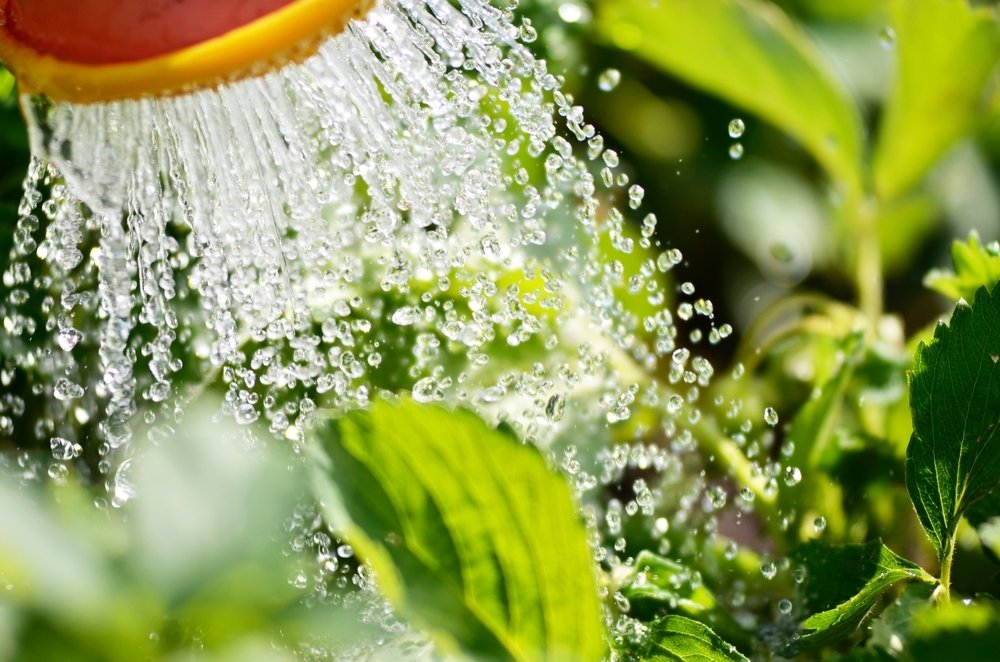
Water is one of our most precious resources, and as summers get hotter and drier, we need to use water wisely in our gardens. These simple tips will help you give your plants the water they need with as little waste as possible.
Save water by improving your soil
One of the best ways to use water effectively in the garden is to improve your soil by adding organic material, like well-rotted farmyard manure, leaf mould or compost. This improves the soil structure, helping light soils hold on to moisture to need less watering. It also helps heavy clay soils to drain better.
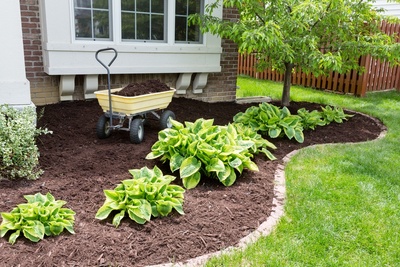
Mulching soil helps to stop moisture from evaporating. It’s best to do this in spring when the soil is still damp from the winter rains. Compost and bark chippings make good mulches. Apply a thick layer of mulch, at least 5cm (2in).
How to water effectively
-
Water in the early morning or the evening, so the water doesn’t evaporate in the heat of the sun before it has a chance to reach the plants’ roots.
-
Give newly planted shrubs and trees a good soak every few days. This encourages the roots to grow deep into the soil, making the plants more resilient in times of drought. Avoid watering little and often, as this tends just to wet the soil's surface, encouraging plant roots to stay shallow.
-
Drip irrigation systems are more efficient at watering than sprinklers, getting water directly to the plants’ roots.
-
A tip when growing thirsty vegetables like courgettes is to create a reservoir next to each plant. Cut a plastic bottle in half, remove the cap and bury the top half of the bottle upside down next to the plant. When watering, fill the bottle, and the water will soak out into the soil right next to the plants’ roots.
-
Add water-retaining gel to potting compost in hanging baskets and containers.
-
Install a rainwater butt connected to a downpipe to collect the rainwater that runs off your roof, and use this to water your plants.
Drought-tolerant plants
Drought-tolerant plants have evolved structures that help them survive periods without water, so planting a few of these in your garden means less time spent watering.
Plants like thyme and rosemary have small leaves to reduce the amount of water lost through the leaf surface. Stachys byzantina (lambs ears) has leaves covered in tiny hairs, which also reduces water loss. Succulents like sempervivums and sedums have fleshy leaves that can store water for use in dry seasons.
These drought-resistant plants will look good in any garden:
- Perovskia (Russian sage)
- Lavender
- Hardy geraniums (cranesbills)
- Nepeta (catmint)
- Cistus (rockrose)
- Eryngium (sea holly)
- Verbascum (mullein)
- Sedum/Hylotelephium (stonecrop)
If you’d like to add some drought-tolerant plants to your garden, visit our centre to see our extensive range. We have plants to suit every garden!